
# passwords# security
Why password security is super important right now
Are you one of the 90% of people out there that are worried about getting your passwords hacked for your social media or business accounts?
If so, you're not alone.
More than 53% of people rely on their memory to manage passwords, and this statistic is getting increasingly worrying on so many levels.
Password security has never been ever more important, so in this article I'm going to tell you why password security is more important now than ever.
So stop what you're doing, grab a coffee and dig into this article.
What are the most common types of passwords?

When we talk about password security, we often refer back to passwords that are well known, and easy to guess right?
We often think that passwords for our social media and other online websites such as E-Commerce websites are strong.
In reality though, your current password for one of your sites that you use could be closely matched to one of the top 10 most common passwords.
Top 10 commonly used passwords
- 123456
- 123456789
- qwerty
- Password
- 12345
- qwerty123
- 1q2w3e
- 12345678
- 111111
- 1234567890
How does a password get hacked?
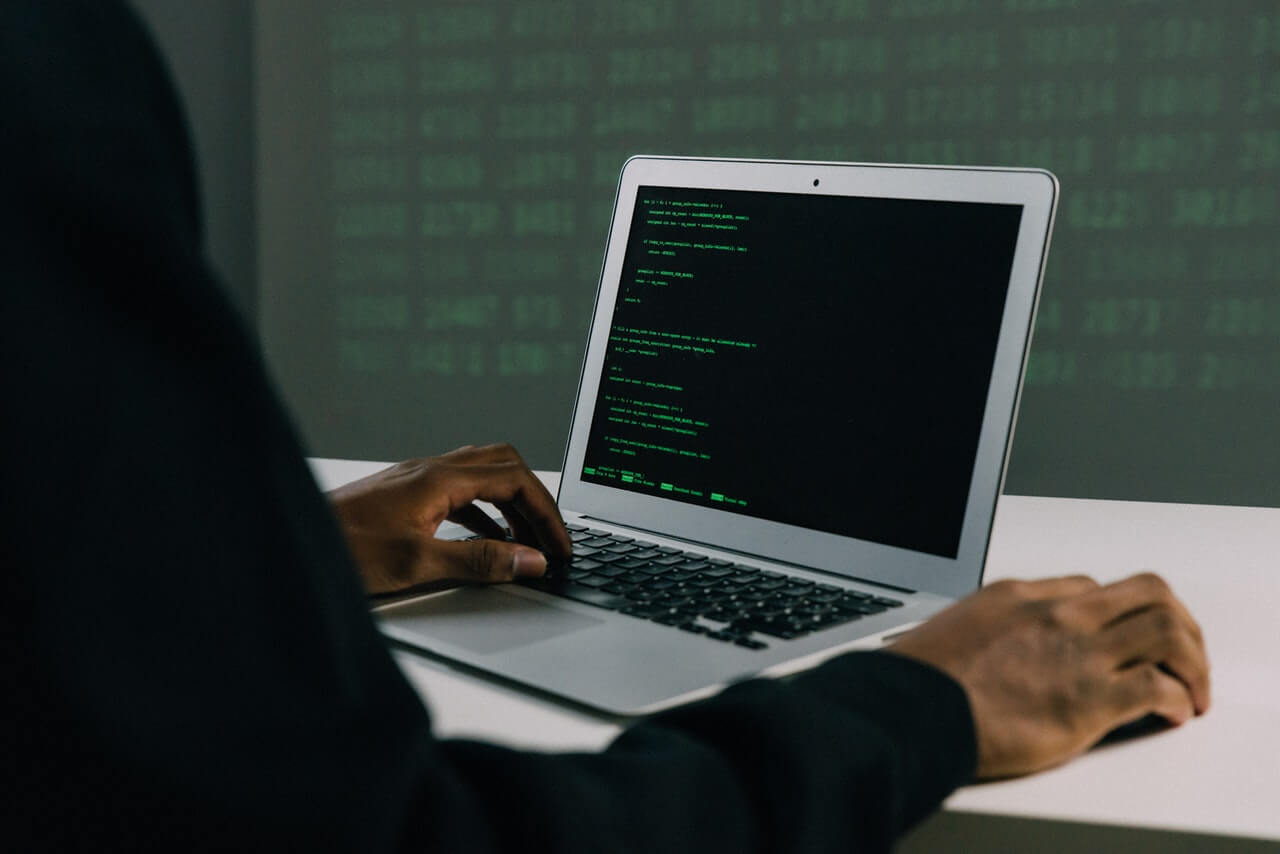
Password hacking (also known as password cracking) is the process of trying to guess someone's password to their account, usually through means of brute force or other password cracking techniques.
If your password falls into one of the commonly used passwords, then these password cracking techniques are likely going to reveal your password to a potential hacker.
There are many different ways that a password can get hacked, here's just a few of them:
- Brute force attacks - this is when a hacker uses computer programs to crack a password
- Mask attack - this is where a hacker already knows part of your password, maybe they know the length of the password, so can filter the attack to this length
- Social engineering - a hacker might scan through social media channels to then mask themselves as being a company and then attempt to manipulate people into giving up compromising information.
More often than not, the use of all three of these methods may be used together to perform one large scale operation to attempt to get your password.
So what can you do about this?
The short answer is, to make your password more secure, when signing up to our platform or another site, create a strong, secure password, and that's what we're going to take a look at next.
Making your passwords harder for hackers/scammers to crack
Okay, so we've taken a brief look at some of the ways your password might be compromised, or hacked for a better term.
What about making your password harder for scammers to hack then.
The key here is to first learn what goes into creating a strong password.
Typically, a strong password is going to be a password that is longer than 8 characters, contains both uppercase and lowercase letters and numbers, and one that also contains a few special characters.
Doing this is a great first step to reducing the potential for your password to be hacked.
Next, storing your newly created password in a password vault is also a recommendation. Don't simply try to remember your password or expose it by using the same password across multiple websites, this will spell trouble in the long run.
Finally, consider making your passwords totally random.
How?
A random password can often be as simple as choosing multiple completely random words and phrases, this will significantly make it harder for hackers.
Follow these simple recommendations and you'll greatly improve your password security online today!
Related Articles
More posts
What Is a Subdomain Takeover and How to Prevent It
A subdomain takeover lets an attacker claim your subdomain by exploiting dangling DNS records. Learn how it happens, real-world examples, and how DNS monitoring detects it.
Read moreWhat Is Mean Time to Detect (MTTD)?
Mean time to detect (MTTD) measures how long it takes to discover an incident after it starts. Reducing MTTD is one of the highest-leverage improvements in reliability engineering.
Read moreWhat Is Black Box Monitoring?
Black box monitoring tests your systems from the outside, the way users experience them — without access to internal code or infrastructure. Learn how it works and when to use it.
Read moreSubscribe to our PRO plan.
Looking to monitor your website and domains? Join our platform and start today.